
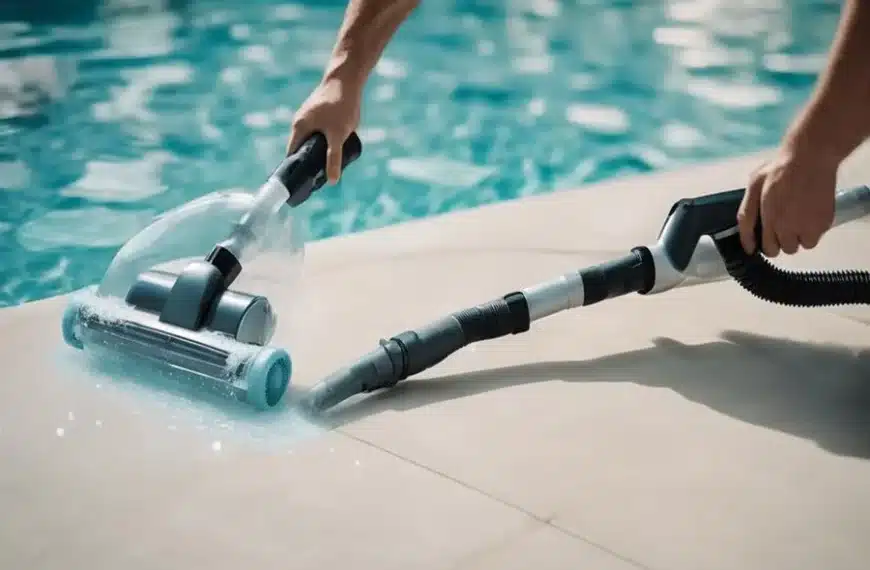
A basic pool vacuum can still be useful. It can pick up dirt from the floor, help with spot cleaning, and give new pool owners a simple way to handle visible debris. For a small pool with light use, that may be enough for a while.
The problem is that pool cleaning rarely stays that simple. Dirt settles on the floor, oils collect around the waterline, leaves float before they sink, and walls or steps can develop buildup in low-flow areas. After storms, windy days, parties, or heavy summer swimming, the job often becomes more than pushing a vacuum across the bottom.
That is why many homeowners start looking beyond basic vacuums. They want a cleaning setup that handles more of the pool, reduces repeated manual work, and keeps the water looking ready without turning every weekend into maintenance time.
What a Basic Pool Vacuum Can and Cannot Do
Good for Simple Floor Debris
A basic pool vacuum is a practical tool for floor cleanup. If a few leaves, sand, or dirt settle in one area, it can help remove them without needing a complicated system. Manual vacuums are usually cheaper upfront, easy to understand, and useful for quick jobs.
That makes them a reasonable starting point for many pool owners. The issue is not that basic vacuums are useless. The issue is that many pools need more consistent cleaning than a simple floor-focused tool can provide.
Limited for Walls, Waterline, and Floating Debris
Many basic vacuums mainly target the pool floor. They do not handle floating leaves before they sink. They do not scrub the waterline. They do not clean walls without extra brushing. They also do not reduce the need to empty baskets, test water, or watch filter performance.
This is where the hidden work appears. The vacuum handles one part of the job, while the owner still handles everything around it. Over time, that can make basic vacuuming feel less like a full pool-care solution and more like one tool in a larger routine.
Pool Debris Does Not Stay in One Place
Pool mess moves around. Sand and dirt settle on the floor. Sunscreen and body oils collect near the waterline. Leaves and bugs float for a while, then sink. Algae-prone buildup can appear around steps, corners, ladders, and other low-circulation spots.
That is why choosing a cleaner should start with the real mess in the pool, not just the lowest-cost tool. If debris shows up in several places, the cleaning setup needs to handle more than one surface.
A floor-only tool may solve today’s visible dirt, but it may not solve tomorrow’s waterline grime, floating leaves, or repeated cleanup after family swimming.
Why Robotic Cleaners Are Becoming More Practical
Independent Cleaning Reduces Manual Time
Robotic pool cleaners are becoming more common because they reduce the amount of hand-guided cleaning. Many robotic models use their own motor, suction, filtration, and movement system, so the owner does not have to guide a vacuum across the floor for the whole cleaning session.
For homeowners who first bought a simple pool vaccum to deal with floor debris, the next step is often about saving time. Once the pool starts collecting leaves, dust, insects, sunscreen residue, and waterline buildup more often, a more independent cleaner can make the routine easier to repeat.
This changes how pool care fits into the day. A robot can run while the homeowner checks water chemistry, rinses baskets, tidies the patio, or gets ready for guests. That is especially useful after wind, rain, or family swimming, when debris returns faster than expected.

Automation Helps Owners Clean More Consistently
Consistency matters more than one deep clean. When cleaning is easy to start, owners are more likely to run a cycle after storms, parties, or several days of heavy use. That prevents debris from sitting too long and turning into a bigger job.
Basic vacuums often depend on the owner having enough time and energy to clean manually. Robotic cleaners help shift the routine from “catch up when the pool looks bad” to “clean before the mess builds up.” That difference can make pool care feel much more manageable.
Where AquaSense 2 Pro Helps Beyond Basic Vacuuming
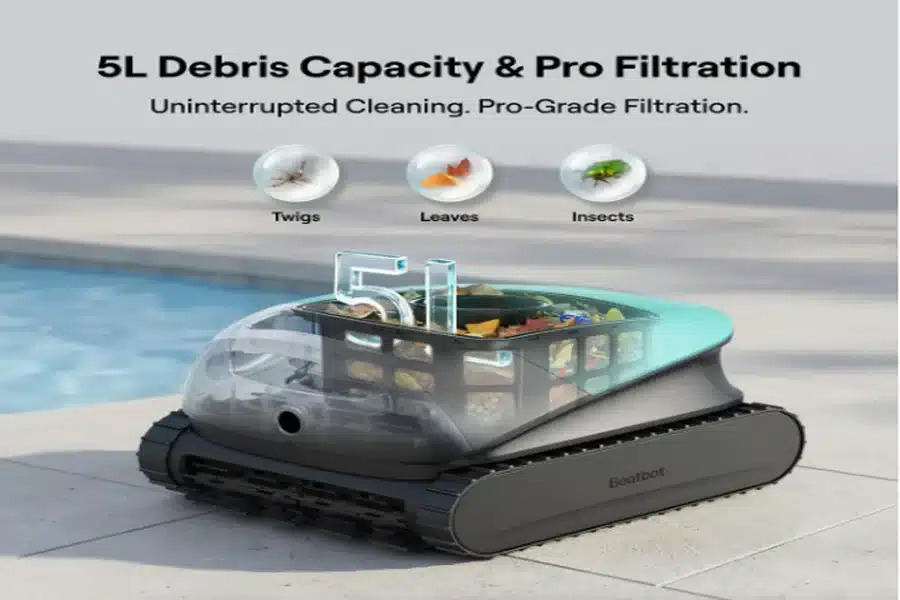
For homeowners who have outgrown basic floor vacuuming, AquaSense 2 Pro can help cover more of the routine cleaning work across the floor, walls, waterline, and surface-related areas. In a realistic home setting, the pool may collect leaves after a windy afternoon, sunscreen residue after weekend swimming, and dust or insects near the surface.
Instead of spending one long session brushing, skimming, and vacuuming by hand, the owner can run Beatbot Robotic Pool Cleaner AquaSense 2 Pro while checking chlorine and pH, emptying the skimmer basket, or tidying the pool area. Its value is in making physical cleaning more consistent and less dependent on a single manual cleanup. Beatbot Robotic Pool Cleaner AquaSense 2 Pro can reduce manual brushing, skimming, and vacuuming, but it does not replace water testing, filtration, chemical balance, equipment care, or safe pool habits.
The Cost Question: Cheap Tool or Better Routine
A basic vacuum usually costs less upfront. That can make it attractive for new pool owners or anyone trying to keep expenses low. If the pool is small, lightly used, and not exposed to much debris, a simple vacuum may be enough.
But cost should include more than the purchase price. Time matters too. If the owner spends an hour or more vacuuming, brushing, skimming, and cleaning up every week, the cheaper tool may not feel so cheap over a full season.
A robotic option usually costs more at the start, but the value comes from reduced manual effort, broader cleaning support, and a routine that is easier to repeat. For busy households, that convenience can be the reason to upgrade.
What to Check Before Upgrading From a Basic Vacuum
Before upgrading, homeowners should look at the pool honestly. Size and shape matter. So do debris type, wall and waterline buildup, filter access, cleaner weight, retrieval, corded or cordless preference, warranty, and replacement parts.
For homeowners comparing a robot swimming pool setup, the most useful question is whether the features match the pool’s real cleaning problems. If the pool mainly gets a little dirt on the floor, a simple tool may still work. If the pool collects debris on the floor, walls, waterline, and surface, broader cleaning coverage becomes more important.
Manual tools can still stay in the shed for quick touch-ups. The goal is not to throw them away. The goal is to stop making them carry the whole pool-care routine.
| Pool Problem | Why Basic Vacuuming Falls Short | Better Feature to Look For |
| Floating leaves | A floor vacuum catches them only after they sink | Surface or skimming support |
| Waterline grime | Needs brushing, not just suction | Waterline cleaning |
| Wall buildup | Basic vacuums often focus on the floor | Wall coverage |
| Fine dust | Can stir back into the water | Better filtration |
| Repeated debris | Owner keeps vacuuming by hand | Automation and easier repeat use |
| Large pool area | Manual cleaning takes longer | Broader coverage and easier operation |
Building a Pool Cleaning Setup That Saves Effort
The best pool-cleaning setup is not always the most complicated one. It is the one that matches the pool’s size, debris, use pattern, and owner’s schedule.
For some owners, that means keeping a basic vacuum for spot cleaning and adding a robotic cleaner for routine debris. For others, it means using a skimmer net daily, brushing the waterline weekly, and running an automatic cleaner after storms or heavy use.
The setup should make pool care easier to repeat. If a tool is hard to use, heavy to lift, difficult to clean, or poorly matched to the pool, it may end up unused. A good routine should feel practical, not like another chore.
Why Many Owners Outgrow Basic Pool Vacuums
Basic pool vacuums are useful, but many pool owners eventually need more help. Walls, waterline grime, floating debris, fine dust, and weekly cleanup all add work that a simple floor vacuum may not solve on its own.
Upgrading makes sense when hand cleaning feels repetitive, debris comes back quickly, or the pool needs attention in more areas than the floor. It also makes sense when the owner wants a cleaner pool without giving up more weekend time.
The right pool-cleaning setup is not about buying the most advanced tool possible. It is about choosing the tool that keeps the pool usable with less catch-up work, fewer long cleaning sessions, and a routine that fits real life.


