
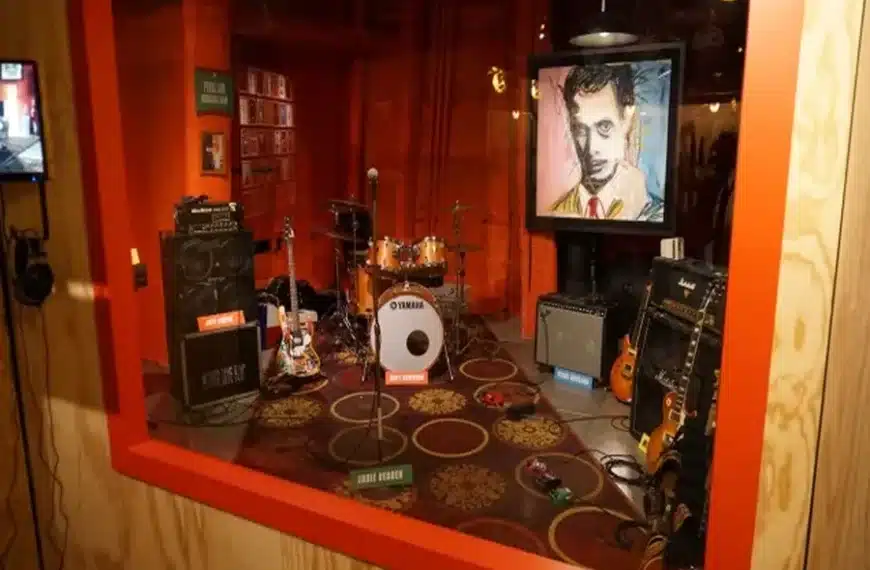
There was a time when collecting mostly lived in boxes, cupboards, and the occasional glass cabinet in the lounge room. Now it’s taking over entire spare rooms, garage studios, and home offices. Not in a messy way, either. More and more collectors are setting up their homes like tiny private exhibitions, with shelves, lighting, framed prints, themed zones, and carefully placed figures, models, cards, or memorabilia.
It’s less about storage now and more about display.
What’s changed is the way people think about their collections. A shelf full of favourite pieces doesn’t just say, “I bought this stuff”. It tells a story. It shows what someone loved growing up, what worlds they escaped into, what characters stuck with them, and what they still get excited about as adults.
That’s a big reason collectors are leaning into the micro museum idea. It turns a hobby into a space with personality.
Why the “spare room museum” idea has taken off
Part of it comes down to pride. People used to feel like they had to hide their hobbies once they hit a certain age. Toys were for kids, figures were for nerds, collecting was something you kept tucked away. That mindset has shifted hard.
Now, pop culture is mainstream culture. Superheroes dominate cinema. Gaming is huge. Anime’s everywhere. Retro franchises are back. The stuff people grew up with has cultural weight now, so displaying it doesn’t feel niche in the same way it once did.
The other factor is social media. Once collectors started sharing room setups online, standards changed. A pile of boxes on the floor stopped feeling satisfying. People saw clever display walls, colour-coordinated shelves, custom lighting, and themed corners built around one franchise or era, and thought, “Right, I want mine to look like that.”
So the collection stopped being just the items. The room became part of the hobby too.
It’s not about having the biggest collection
The best collector spaces usually aren’t the ones crammed with the most stuff. They’re the ones that feel considered.
A micro museum works because it gives each piece a bit of breathing room. You notice the packaging art. You see how one figure lines up with another. You spot connections between old and new releases. It makes even a modest collection feel more impressive.
That’s good news for anyone who’s not chasing rare grails or spending huge money. You don’t need a room full of expensive collectibles to make an impact. A handful of well-chosen items, displayed properly, can do more than a wall of clutter ever could.
That’s where MAD Toys & Hobbies fits in naturally for collectors who want to build a setup with a bit of personality rather than just buy at random. A good collection usually grows better when the person behind it knows what they’re curating.
The rise of themed collecting
Another reason micro museums work so well is that they help narrow the focus. Instead of collecting “a bit of everything”, people are building around themes.
That might mean:
- one franchise
- one era, like 80s or 90s nostalgia
- one format, like diecast, action figures, model kits, or trading cards
- one character across different releases
- one colour palette or visual style
This makes the whole thing feel more intentional. It also makes collecting more fun. There’s a real difference between randomly buying cool things and shaping a collection around a personal angle.
A Star Wars room hits differently when it’s built around ships and pilots rather than every item under the sun. A retro gaming shelf feels sharper when it focuses on local multiplayer classics. A toy display gets stronger when it mixes the main pieces with books, posters, boxed accessories, and small background details.
That’s museum thinking in miniature. Context matters.
Why display changes how you enjoy the hobby
A boxed item shoved into a wardrobe doesn’t give much back day to day. A displayed item does.
That’s the big emotional payoff. When collections are visible, people interact with them more. They tweak layouts. Rotate pieces. Dust things off. Add one new item and rethink a whole shelf around it. The hobby becomes ongoing, not static.
It also adds atmosphere to a room. A home office with a few carefully displayed collectibles feels warmer and more personal. A games room with themed shelving feels like a destination. Even a small corner with a couple of standout pieces can shift the mood of a space.
That matters more than people think. Homes feel better when they reflect the people living in them.
The collector mindset has matured
There’s also been a quiet shift in how collecting is viewed. For a lot of adults, it’s no longer an impulse-heavy habit. It’s become a slower, more thoughtful hobby.
Collectors are researching releases, learning brand histories, comparing editions, and hunting for items that fit a broader vision. They’re not just asking, “Do I want this?” They’re asking, “Does this belong in my setup?”
That’s a much more satisfying way to collect.
It cuts down on regret buys. It keeps collections from becoming chaotic. It also makes every addition feel earned. When a new item lands in the room and genuinely fits the theme, scale, or mood of the display, it feels right straight away.
Building your own micro museum without overdoing it
Anyone can start building one, and it doesn’t need a renovation budget.
The easiest place to begin is with a single zone. One shelf. One cabinet. One wall. Pick a theme and build around it with a bit of restraint. Think about height, spacing, lighting, and what you want the eye to land on first.
A few easy wins:
- group items with a shared look or story
- vary heights so everything doesn’t sit on one flat line
- leave some empty space
- use lighting sparingly
- rotate pieces instead of displaying everything at once
That last one makes a huge difference. Museums don’t show their entire archive in one go, and collectors don’t need to either.
More than nostalgia
At first glance, this whole trend can look like adult nostalgia with better shelving. That’s part of it, sure. But it’s also about self-expression, curation, and creating a space that feels distinctly your own.
A micro museum says something about taste. About memory. About what still sparks a bit of joy after all these years.
That’s why collectors are giving these spaces proper thought now. They’re not just finding room for their hobbies. They’re making the hobby part of the room.
And honestly, that’s a lot more fun than leaving everything in a box.


