
In the fast-paced world of finance, information moves faster than ever. Gone are the days when traders relied solely on lengthy reports or hour-long webinars to stay informed. Today, short-form videos are changing the way market trends are shared and understood. Platforms like TikTok, Instagram Reels, and YouTube Shorts are proving that complex financial concepts can be explained in under a minute.
Why Short Videos Work So Well for Trading Content
Short-form video is especially effective in trading because it makes fast-moving information easier to understand. Instead of overwhelming viewers with too much data at once, traders can focus on one key insight, one chart pattern, or one market move. This makes the content more accessible for people who want quick updates on forex, crypto, stocks, or broader market sentiment without having to work through long explanations.
Which Market Trends Are Best Suited to Short Videos
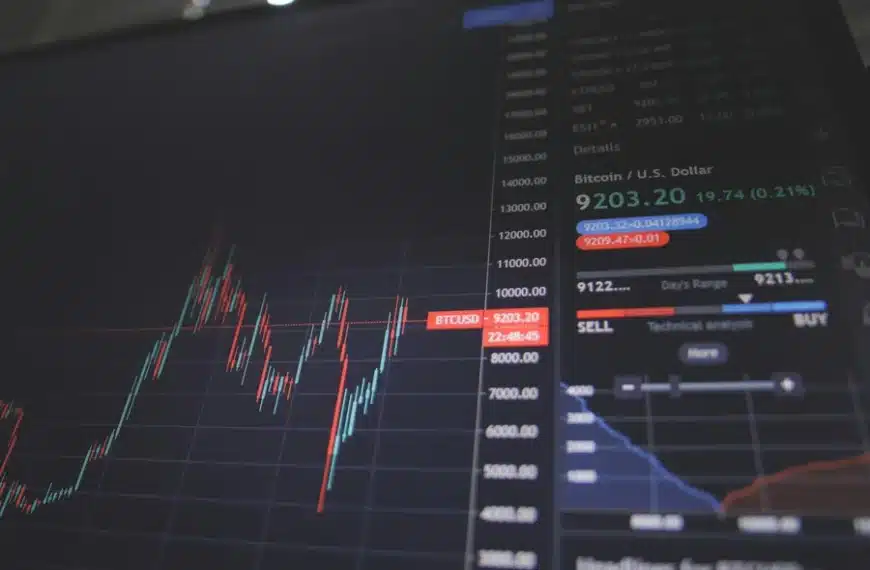
Not every trading topic works well in a short video. The best subjects are usually trends that become visually clear very quickly. Think of breakouts above resistance levels, sudden price drops after economic news, strong momentum moves, or obvious support and resistance zones. Sharp movements in forex, crypto, or shares, especially when a crypto trend shows signs of recovery after a sharp selloff, also lend themselves well to this format. As soon as a trader can show what is happening at a glance with a chart, the content becomes much easier for a wider audience to follow.
How Traders Structure Short Trading Videos
The strongest trading videos usually follow a clear and focused structure. In the first few seconds, it needs to be obvious why the viewer should keep watching. That is why many traders begin with a compelling hook, such as a striking price movement, a timely market question, or a key level on the chart. An opening like “Will Bitcoin break through resistance today?” or “Why is the euro falling after this news?” immediately creates curiosity.
After that, traders usually move into a short explanation supported by chart visuals, annotations, screen recordings, or highlighted price zones. The goal is not to explain everything, but to make one useful observation clear. They then close with a useful point to keep in mind, such as watching a key level, following an economic event, or exploring broader educational resources like forex trading India techniques, or learning how tools like the Fibonacci indicator in trading can help identify potential support and resistance levels.
Below you can watch an example of how traders structure short-form video content: a strong opening, a chart-focused explanation, and one clear market observation.
Why Certain Video Formats Perform Better Than Others
Some short-form formats work better than others because they fit the way people consume content on social media. A short video with one clear message, strong visuals, and minimal distraction usually performs better than a busy explanation covering several indicators at once. Screen recordings with voice-overs are popular because viewers can literally follow along on the chart. Videos with zoomed-in graphs, arrows, on-screen text, and a short summary at the end also tend to work well. These formats make complex information easier to understand and help hold attention for longer.
How Traders Combine Education With Engagement
What makes these videos stand out is their ability to educate while keeping viewers engaged. Many traders use animation, captions, humor, or trending audio to make their content more memorable. Real-time chart walkthroughs with voiceovers help viewers follow what is happening step by step, while comparisons between past and current price action add context. As trading content becomes more sophisticated, some creators also point viewers toward broader topics such as artificial intelligence in finance to show how automation, data analysis, and algorithmic systems are influencing modern markets.
The Risks of Oversimplifying Trading Content
Although short-form video can be useful, it also has limitations. The biggest risk is that complex market analysis becomes too simplified, causing important nuances to disappear. A short clip may show that price is bouncing from resistance, but it often leaves out the wider context, such as volume, macroeconomic pressure, or the possibility of a false breakout. As a result, viewers may assume that a visible pattern automatically leads to a clear trade setup. Anyone who presents trading in overly simple terms runs the risk of giving a distorted picture of how markets really work.

Why Balance Matters in Trading Education
The best trading videos are not only short and engaging, but also careful in how they explain the market. They make a topic easier to understand without pretending that trading is simple or predictable. Good creators use short-form video as a starting point: a way to spark interest, explain a trend clearly, and then guide viewers toward deeper learning. That balance between accessibility and substance is what makes this type of content genuinely valuable.
Why Short-Form Video Is Reshaping Trading Education
Short-form video is no longer just a passing content trend. It is changing the way trading education is delivered and consumed. By combining speed, clarity, and visual storytelling, traders can make market trends easier to follow and more relevant to modern audiences. Whether the topic is stocks, crypto, or currency markets, short videos offer a practical way to turn market analysis into something engaging, understandable, and useful.
Next time you scroll past a trading clip on TikTok or YouTube Shorts, remember that behind that one-minute video is often a carefully built piece of educational content designed to make financial markets easier to understand.


