
Have you noticed how traditional advertising is no longer enough to capture attention? Why are audiences increasingly skipping TV ads, ignoring banners, and scrolling past sponsored posts? The answer lies in the rapid rise of the creator economy, a movement that is transforming the way brands connect with their customers. But what exactly does this mean for businesses today, and how can brands leverage it to stay relevant?
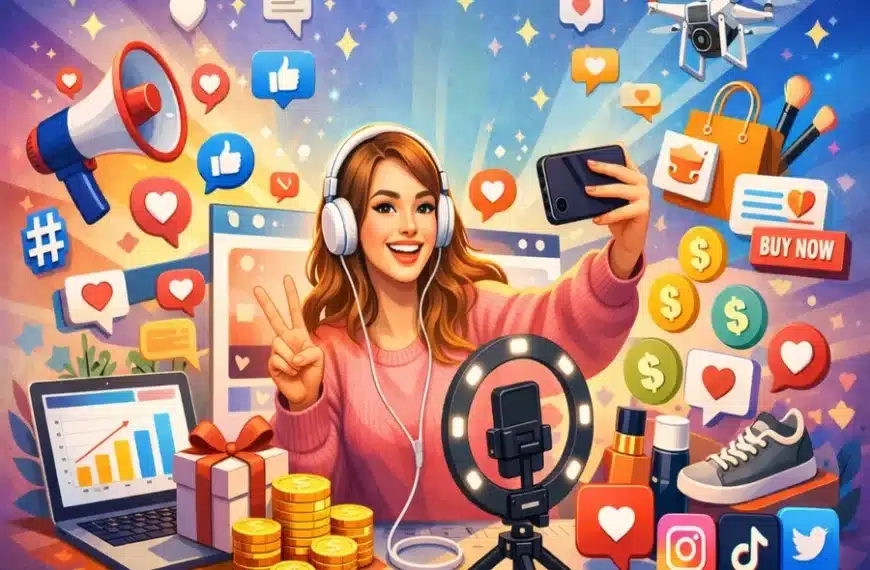
The creator economy refers to the ecosystem where individual creators—whether they are social media influencers, content creators, or niche experts—monetize their skills, ideas, and online presence. Unlike the old marketing model, which relied on celebrity endorsements or mass media campaigns, the creator economy thrives on authenticity, community engagement, and trust. Creators have built loyal followings that brands are eager to access, but the strategy requires a shift in mindset from traditional advertising.
Understanding the Shift From Mass to Micro
For decades, brands relied on celebrities to endorse products. The assumption was that fame equaled influence. However, audiences today are more skeptical of celebrities who promote products simply for money. Micro- and nano-influencers—creators with smaller, highly engaged followings—have emerged as powerful voices in marketing.
Why are they so effective? These creators often share more personal content, engage in two-way conversations with their followers, and build communities based on trust. When they recommend a product, it feels like a friend giving advice rather than a paid pitch. Brands are noticing that partnering with micro-influencers can yield higher engagement rates and better ROI than traditional celebrity campaigns. Many companies now turn to an influencer marketing agency to identify and collaborate with the right creators for their campaigns, ensuring alignment and measurable impact.
Authenticity Over Production Value
The creator economy has also shifted the focus from polished production to authentic storytelling. High-budget ads and glossy campaigns no longer guarantee attention. Consumers now crave real, relatable content that resonates with their daily lives. A simple unboxing video, a heartfelt testimonial, or a short tutorial can outperform a multi-million-dollar ad campaign if it feels genuine.
This authenticity allows brands to tap into niche audiences that might have been inaccessible through traditional media. For example, a fitness brand might collaborate with a health-focused YouTuber who has 50,000 subscribers, rather than spending millions on a nationwide TV campaign. The targeted nature of these collaborations ensures that marketing messages reach the people most likely to engage with them.
Data-Driven Partnerships
One of the most significant advantages of the creator economy is the availability of precise, actionable data. Unlike traditional marketing, where measuring effectiveness can be difficult, working with creators allows brands to track engagement metrics, click-through rates, and conversion rates in real time.
Brands can use these insights to optimize campaigns, identify which creators drive the best results, and even inform product development. The rise of platforms that connect brands with creators, and the tools provided by influencer marketing agencies, make it easier than ever to find the right fit and ensure measurable outcomes.
The Rise of Platform-Specific Marketing
Social media platforms play a pivotal role in the creator economy. Each platform has its own ecosystem, and brands must tailor their strategies accordingly. TikTok, for instance, thrives on short, engaging videos that capture attention within seconds, while Instagram emphasizes visual storytelling and aesthetically curated feeds. YouTube offers long-form content ideal for tutorials and reviews, and emerging platforms like BeReal focus on spontaneity and authenticity.
Brands need to understand these nuances and work with creators who excel on their preferred platforms. Platform-specific marketing not only increases engagement but also ensures that brand messages align with the tone and style that audiences expect on each network.
Building Long-Term Relationships
Another key trend in the creator economy is the shift from one-off campaigns to long-term partnerships. Brands that invest in sustained collaborations with creators often see stronger loyalty, better audience trust, and increased conversion rates. Long-term relationships also allow creators to become more familiar with the brand, resulting in content that feels more natural and authentic.
This approach is markedly different from traditional advertising, where campaigns are often transactional and short-lived. By nurturing ongoing partnerships, brands can build a network of advocates who continuously share their message, creating a ripple effect that reaches broader audiences over time.
Challenges and Considerations
While the creator economy offers exciting opportunities, it also comes with challenges. One of the primary concerns is maintaining brand consistency. With many creators having distinct voices and styles, brands must ensure that their core values and messaging are not diluted. Clear communication and detailed guidelines can help mitigate this risk.
Another challenge is navigating legal and compliance issues. Disclosure regulations require creators to be transparent about paid partnerships, and brands must stay informed to avoid penalties or reputational damage. Working with experienced influencer marketing agencies can help brands manage these complexities and create campaigns that are both effective and compliant.
Embracing the Future of Marketing
The creator economy is no longer a trend—it is a fundamental shift in how people consume content and interact with brands. Traditional advertising methods are losing ground to strategies rooted in authenticity, engagement, and community. Brands that adapt by partnering with the right creators, leveraging data insights, and embracing platform-specific approaches will be well-positioned to thrive.
Ultimately, the key takeaway for brands is simple: audiences want genuine connections, not polished sales pitches. By understanding and participating in the creator economy, businesses can foster meaningful relationships, boost engagement, and drive growth in a marketing landscape that is increasingly shaped by individuals rather than institutions.
The future of marketing is here, and it is powered by creators. Brands that recognize this shift and act strategically will not only survive but flourish in an era defined by authenticity, creativity, and influence from the ground up.


