
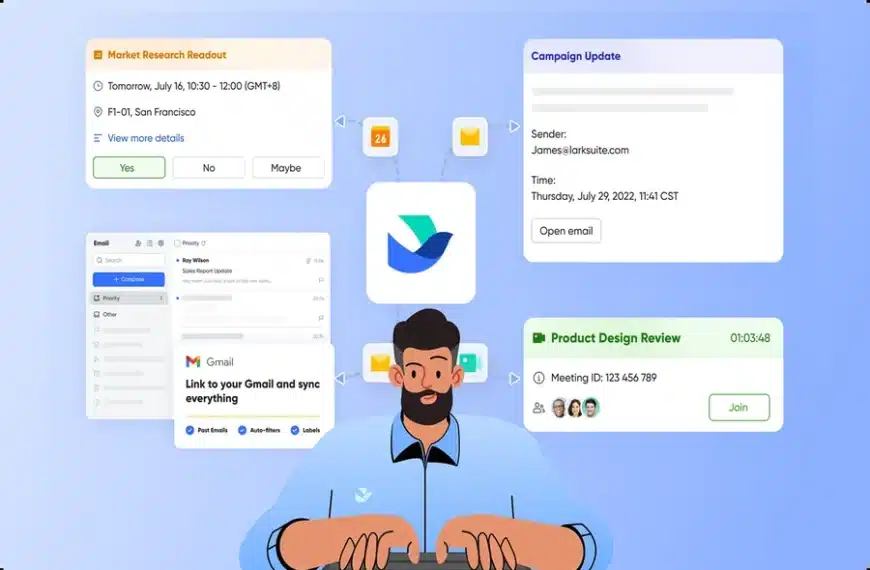
In the high-speed corporate landscape, the difference between a project that launches on time and one that languishes in “development hell” is often the quality of its resource visibility. Most delays are not caused by a lack of effort, but by “time leaks”—minutes and hours lost to manual status updates, fragmented schedules, and invisible bottlenecks. To combat this, modern leaders are moving away from passive tracking and toward a synchronized environment.
By consolidating your operational data into a unified digital workspace like Lark, you transform time from a vanishing asset into a manageable resource. Here are seven advanced features designed to sharpen your time tracking and lock in your delivery timelines.
Real-time project velocity tracking with Lark Base
The greatest risk to any delivery timeline is “stale data”—time logs and task statuses that are updated only once a week. Lark Base functions as a relational database where time-driven work is visualized through live Gantt and timeline views. Because every task is a live record, any change in a sub-task’s duration automatically ripples through the entire project schedule. This eliminates manual data debt and provides an instant, accurate view of your project’s velocity, allowing you to spot delays before they impact the final milestone. This functionality makes it one of the premier project management tools for teams that cannot afford a single day of downtime.
Smarter resource allocation using Lark Calendar
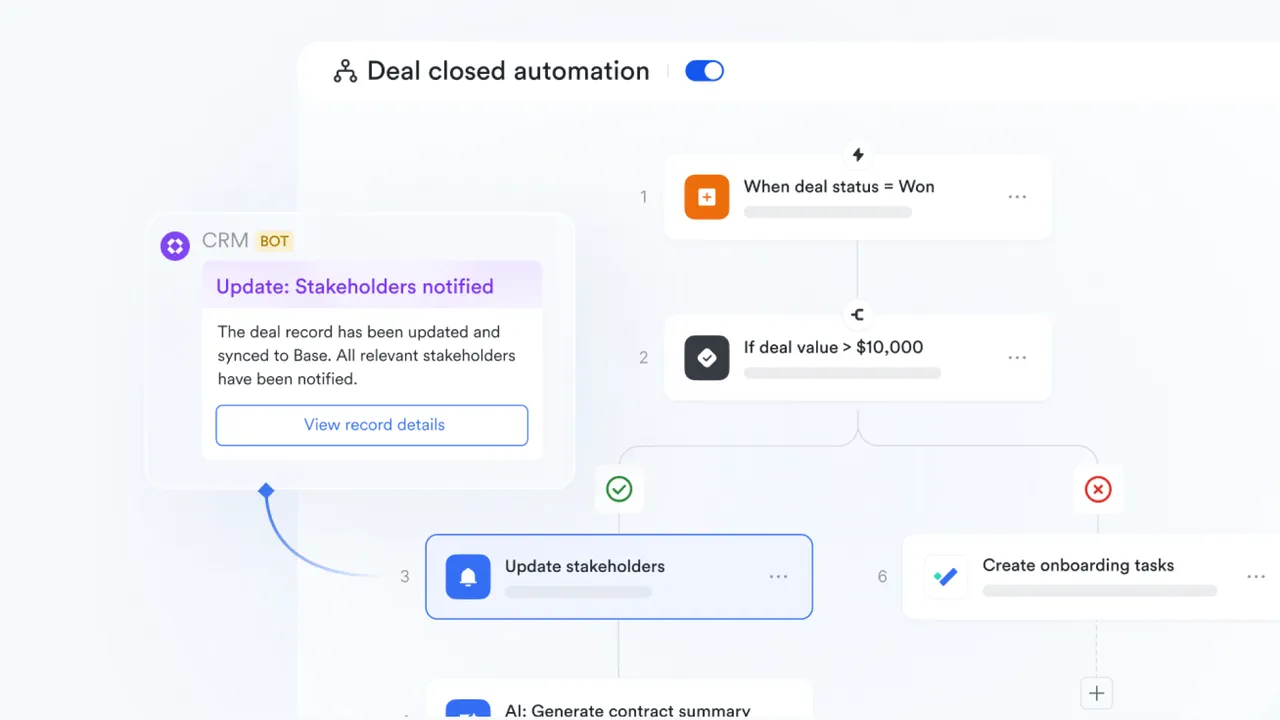
Most delivery delays stem from a simple lack of awareness regarding team availability. Lark Calendar moves beyond simple scheduling by allowing for “Time-Blocked Tracking.” By turning scheduled activities into measurable segments of focused work, managers can see exactly how a team’s bandwidth is allocated across different projects. With auto-time zone adjustment and the ability to view batched shift schedules, you ensure that resource allocation is always aligned with the reality of your team’s capacity.
Monitor goal progress with predictive Lark OKR insights
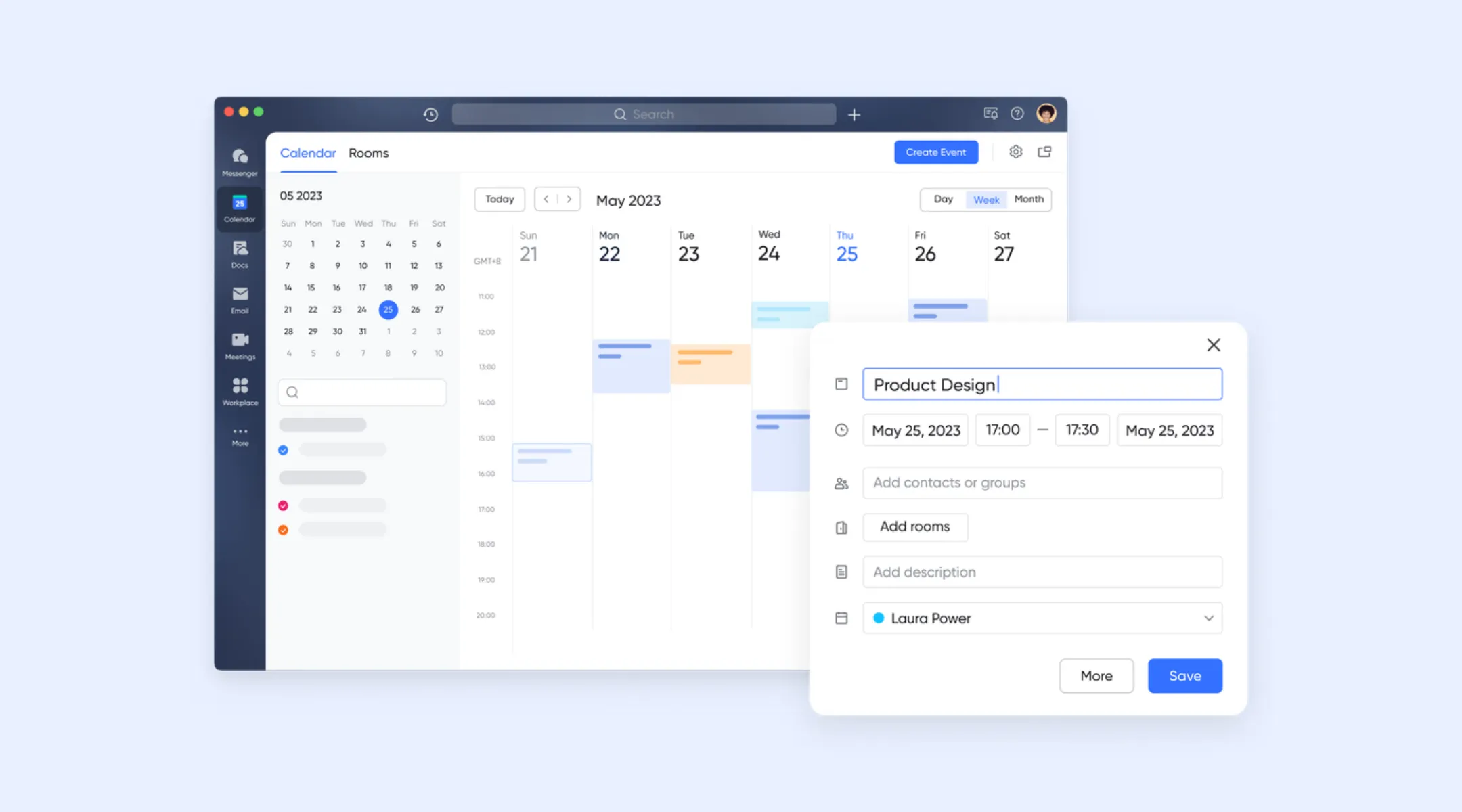
Strategic delivery requires more than just meeting deadlines; it requires meeting the right deadlines. Lark OKR links high-level objectives directly to the time-tracked tasks in your database. The system provides a centralized view of progress roll-ups, allowing managers to monitor the completion rate of key results in real time. By maintaining this visibility, leadership can manually update an objective to “At risk” the moment they notice a disconnect between time spent and actual progress. This ensures that course corrections happen weeks in advance, transforming your most valuable resource—time—into a tool for high-impact outcomes
Meeting-to-action efficiency with Lark Minutes
Meetings are often the “black hole” of project timelines, where hours are spent but few trackable actions emerge. Lark Minutes recovers this lost time by turning video calls into searchable text. Using AI-powered transcription and summarization, it automatically extracts “Action Items” and “Decisions.” This prevents the “Memory Leak” that occurs after meetings and ensures that assignments are tracked and assigned immediately, reducing the “lag time” between a decision being made and work beginning.
Accelerate project decisions with Lark Approval
Administrative bureaucracy is a silent killer of delivery timelines. A project can stall for days simply because an expense or a contract is sitting in an inbox. Lark Approval moves these governance checkpoints into the flow of communication. With “Parallel Routing” and “Auto-Delegation,” requests are sent to multiple stakeholders at once and rerouted if someone is out of the office. By accelerating the “cycle time” of sign-offs, you maintain the momentum necessary for on-time delivery.
Reduce communication overload with Lark Messenger
In a high-pressure delivery cycle, the “Always-On” nature of chat can lead to notification fatigue, causing critical timeline alerts to be missed. Lark Messenger ensures that your team stays in a “flow state” without losing context. Team members can return from a deep-work session and receive a topic-based recap of what they missed, highlighting direct questions and urgent updates. This protects “Deep Work” time while ensuring the team remains responsive. When analyzing the ROI of this efficiency, the value of recovered focus time becomes undeniable.
Standardize team execution using Lark Wiki
Delivery timelines often slip because team members spend too much time reinventing the wheel or searching for SOPs. Lark Wiki acts as a proactive “digital brain” that stores checklists, brand bibles, and technical guides directly alongside your workflows. By digitizing tribal knowledge and making it searchable via natural language, you reduce “Information Search Time” and ensure that execution remains consistent across every location. It serves as one of the most vital productivity tools for maintaining a standard of excellence during rapid scaling.
Bonus: Consolidate your subscriptions to reclaim your budget
Many leaders try to fix slow timelines by looking up Google Workspace pricing to add more seats for basic email and storage. While those tools are a start, they often can’t track complex project hours or handle fast-moving schedules. This usually leads to “app creep,” where you end up paying for a separate chat app like Slack, a task manager like Asana, and a video tool like Zoom just to keep everyone on the same page.
Running a business across four different apps creates a massive “mental tax” on your team. Instead of doing the work, they spend their day hunting for a specific file in an email thread or double-checking a deadline on a separate board. Lark fixes this by pulling your chat, calendars, and project data into one single window. By moving away from a messy pile of disconnected subscriptions and into a unified home, you lower your monthly bills and give your team the clear focus they need for consistent business growth.
Conclusion
Improving delivery timelines is not about asking your team to work faster; it is about building an environment where work can move without friction. By consolidating these seven functions into a synchronized environment and a modern set of productivity tools, you eliminate the manual “human middleware” that typically slows down large-scale projects.
When your strategic goals, time tracking, and communication are natively linked, your workspace stops being a place where you record work and starts being an engine that drives it. This architectural clarity is what allows a modern organization to scale its ambitions without scaling its confusion, ensuring that every project stays on track and every delivery is met with precision.


