
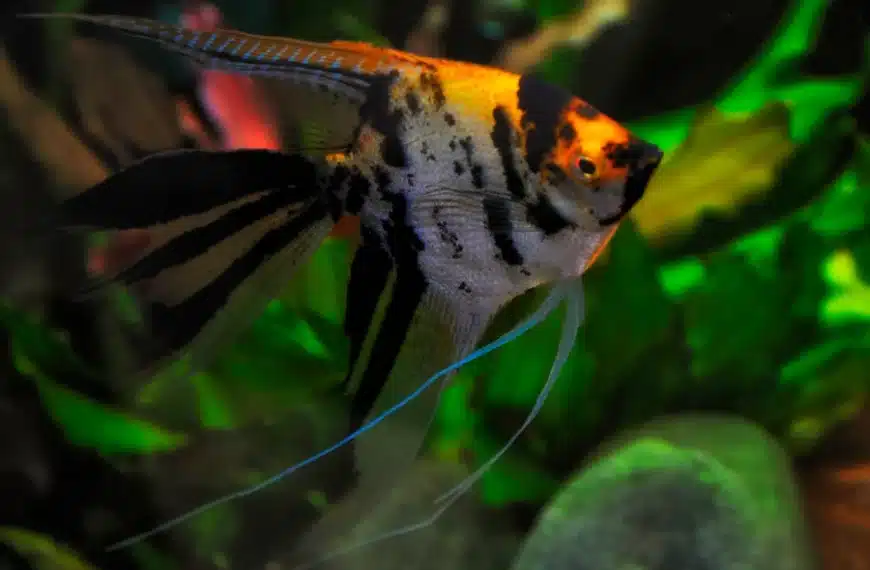
Wild Betta fish, belonging to the genus Betta, originate from freshwater environments across Southeast Asia. These fish inhabit slow-moving waters such as streams, marshes, peat swamps, and rice fields. Unlike selectively bred ornamental Bettas commonly sold in pet shops, wild species display subtle coloration shaped by survival needs rather than aesthetic preference. Their appearance reflects adaptation to natural surroundings, offering camouflage among aquatic plants and shaded waters.
Beyond appearance, wild Betta fish contribute to ecological balance by controlling insect populations and serving as part of local food chains. Learning about these fish broadens awareness of freshwater biodiversity and highlights the value of habitat protection.
Biological classification places Betta fish within the genus Betta, which contains dozens of distinct species. Each species shows unique traits related to size, coloration, fin structure, and behavior. Scientific classification allows researchers and hobbyists to distinguish closely related species and better understand evolutionary relationships. Wild Betta species are native to countries such as Thailand, Malaysia, Indonesia, Cambodia, and Vietnam. Their distribution aligns closely with tropical freshwater systems influenced by seasonal rainfall. Regional conditions have shaped each species’ physical features and behavioral patterns over time.
Characteristics of Wild Betta Fish
Physical Attributes
Wild Bettas tend to have streamlined bodies, shorter fins, and earth-toned coloration. Shades of brown, olive, bronze, and deep blue appear frequently, sometimes accented by iridescent highlights visible under certain lighting. These features support survival by reducing visibility to predators.
Behavioral Traits
Distinct behaviors define wild Betta fish. Many species display strong territorial instincts, particularly males. They may exhibit flaring displays to ward off rivals, using body posture rather than constant physical conflict. Such behaviors reflect survival strategies shaped by competition for food and breeding sites.
Diversity Among Species
The Betta genus includes bubble-nesting species and mouthbrooders, each with different reproductive strategies. Bubble-nesters build floating nests at the water’s surface, whereas mouthbrooders carry fertilized eggs orally until hatching. This diversity illustrates the adaptability of the genus across varying environments.
Wild Betta fish possess a refined beauty rooted in natural design. Their coloration appears understated at first glance, yet closer observation reveals intricate patterns and subtle iridescence. Light reflections highlight scales in a way that feels organic rather than ornamental.
Their swimming style adds to their appeal. Smooth, controlled movements paired with sudden bursts of speed showcase agility and awareness. Unique habits such as surface breathing and nest-building further capture the attention of attentive observers.
Natural Habitat of Wild Betta Fish
Environmental Conditions
Wild Bettas thrive in warm, shallow freshwater with gentle currents. These environments often contain leaf litter, submerged roots, and dense aquatic vegetation. Water chemistry frequently leans toward soft and slightly acidic conditions, shaped by decaying plant matter.
Breeding Areas
Reproduction takes place in calm, sheltered zones that provide protection for eggs and fry. Vegetation plays a key role by offering anchoring points for bubble nests or cover for mouthbrooding parents.
Environmental Pressures
Natural populations face challenges such as deforestation, agricultural runoff, urban expansion, and water pollution. These pressures reduce suitable habitats and disrupt breeding cycles, placing many species at risk.
Behavioral Patterns of Wild Betta Fish
Social Interactions
Wild Bettas exhibit limited social tolerance. Most species prefer solitary living outside breeding periods. Encounters between males may involve displays rather than prolonged combat, conserving energy and reducing injury.
Reproductive Behavior
Mating rituals include courtship displays, nest preparation, and careful parental care. Male bubble-nesters guard eggs closely, maintaining nest integrity until fry become free-swimming. Mouthbrooders show prolonged parental investment by protecting developing offspring internally.
Aggression and Survival
Territorial behavior supports access to food and breeding sites. Aggression appears situational rather than constant, reflecting an instinctive response to environmental pressures rather than unnecessary hostility.
Keeping Wild Betta Fish: A Beginner’s Overview
Many aquarists select Betta fish at the start of their fishkeeping journey thanks to their adaptability and engaging behavior. Wild species, though more sensitive than domestic strains, reward careful attention with fascinating natural behaviors.
Care Practices
Successful care involves replicating natural conditions through appropriate tank size, gentle filtration, and natural décor. Stable water parameters support long-term health and stress reduction.
Feeding Requirements
Wild Bettas thrive on protein-rich diets. In nature, they consume insects, larvae, and small crustaceans. In captivity, live or frozen foods such as bloodworms, brine shrimp, and daphnia align closely with natural feeding habits.
Habitat Maintenance
A thoughtfully arranged aquarium with plants, leaf litter, and hiding spots promotes comfort and natural behavior. Regular observation helps identify changes in health or behavior early.
Common Challenges and Practical Solutions
Health concerns may include parasitic infections, fin damage, or stress-related conditions. Maintaining clean water, offering varied nutrition, and avoiding overcrowding reduce these risks.
Aggression management involves providing visual barriers and sufficient space. Stress can be minimized through consistent routines and environmental stability.
Disease prevention relies on quarantine practices for new fish and maintaining balanced tank conditions.
Conservation Awareness
Current Population Status
Many wild Betta species face declining numbers linked to habitat degradation and unregulated collection. Some species already appear on conservation watch lists.
Ongoing Efforts
Conservation programs focus on habitat preservation, captive breeding initiatives, and community education. Responsible aquarists contribute by sourcing fish ethically and supporting conservation-focused breeders.
Supporting Conservation
Aquarium hobbyists can assist by learning species-specific needs, avoiding wild-caught specimens when possible, and sharing accurate information within the community.
Closing Thoughts
Wild Betta fish offer aquarists a deeper connection to natural aquatic ecosystems. Their behaviors, adaptations, and understated appearance reflect millions of years of evolution within Southeast Asia’s freshwater environments. By learning about their origins, care requirements, and conservation challenges, hobbyists gain more than a captivating aquarium subject—they gain insight into biodiversity and responsible stewardship. Appreciating wild Betta fish through informed care and ethical choices supports both personal enjoyment and the preservation of these remarkable species for future generations.


