
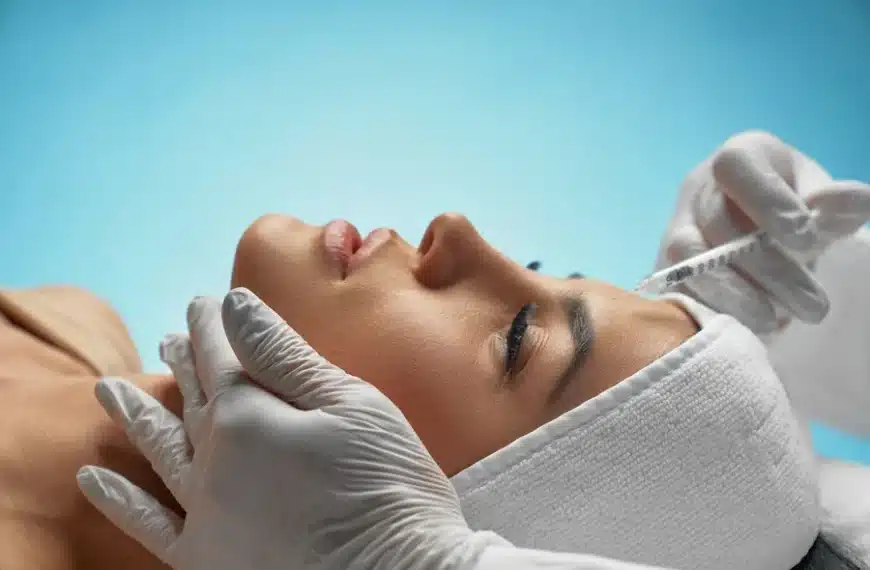
In the rapidly evolving field of aesthetic medicine, Physician Assistants (PAs) are increasingly taking on pivotal roles that require a combination of clinical expertise and artistic skill. Among these roles, administering Botox treatments stands out as both highly rewarding and technically demanding. Botox requires precision, a deep understanding of facial anatomy, and adherence to strict safety protocols. But what does it truly take for a PA to become proficient? This guide provides an insider’s perspective on Botox Training for Physician Assistants, detailing the structured learning, hands-on practice, and clinical insights that prepare PAs to deliver safe, effective, and natural-looking results.
The Importance of Botox Training for Physician Assistants
Botox injections are more than a cosmetic procedure, they are a medical intervention that demands skill, knowledge, and judgment. Proper training allows PAs to:
- Assess facial musculature and expressions accurately.
- Determine precise injection sites and dosages.
- Minimize risks and manage potential complications.
- Deliver results that are natural, consistent, and patient-centered.
Structured training programs provide guidance that enables PAs to transition from theoretical understanding to competent, confident practice.
Mastering Facial Anatomy: The Core of Safe Practice
A thorough knowledge of facial anatomy is the cornerstone of safe and effective Botox administration. Every patient presents a unique set of muscle structures, and understanding these variations is critical to achieving optimal outcomes. Key areas of focus during training include:
- Mapping the facial muscles relevant to common treatment areas.
- Identifying safe injection zones versus high-risk regions.
- Understanding functional and aesthetic implications of targeted muscle relaxation.
This anatomical foundation ensures that PAs approach each treatment with confidence, precision, and a comprehensive understanding of patient safety.
Hands-On Experience: From Observation to Proficiency
While theoretical knowledge is vital, hands-on training is where expertise truly develops. High-quality programs provide:
- Supervised injections on live models to simulate real-world clinical settings.
- Detailed instruction on needle placement, depth, and dosage management.
- Repetition across treatment areas such as the glabella, forehead, and periorbital region.
This practical experience is essential for translating classroom knowledge into clinical competence, enabling PAs to perform injections with both skill and confidence.
Safety and Risk Management
Botox injections, though minimally invasive, are medical procedures that require vigilance. Comprehensive training emphasizes:
- Screening patients for contraindications.
- Managing minor complications such as bruising or temporary asymmetry.
- Recognizing situations that require referral to supervising physicians or specialists.
Prioritizing patient safety is a professional responsibility, ensuring positive outcomes while protecting both patient and practitioner.
Leveraging Video Demonstrations in Training
Incorporating video-based learning has become an integral part of aesthetic training. Videos provide:
- A visual reference for techniques difficult to convey through text alone.
- Step-by-step demonstrations that can be reviewed multiple times for mastery.
- Exposure to subtle nuances in injection technique that enhance treatment outcomes.
Video demonstrations accelerate skill acquisition and strengthen both understanding and confidence in practical application.
Structured Curriculum: Building Skills Step by Step
Effective Botox training follows a progressive structure, ensuring PAs master foundational knowledge before advancing to complex techniques. A typical curriculum includes:
- Foundational Theory – Study of facial anatomy, muscle function, and injection principles.
- Observation – Watching experienced injectors in clinical settings.
- Supervised Practice – Performing injections under expert guidance.
- Advanced Customization – Tailoring treatment plans to individual patient anatomy and aesthetic goals.
This structured progression ensures competency at every stage, fostering both technical skill and professional confidence.
Building Confidence and Clinical Competence
Confidence is critical in delivering aesthetic treatments. Structured training equips PAs to:
- Execute injections independently with precision.
- Troubleshoot minor complications calmly and effectively.
- Communicate treatment plans clearly, managing patient expectations with professionalism.
The combination of repeated practice, expert feedback, and theoretical understanding transforms a PA into a confident, capable injector, prepared for real-world clinical scenarios.
Certification and Professional Advancement
Completing a recognized training program not only provides practical skills but also leads to formal certification. Benefits include:
- Enhanced credibility and trust with patients.
- Access to advanced aesthetic procedures and professional opportunities.
- Demonstrated commitment to ongoing clinical education and patient safety.
Step-by-step certification processes outline best practices for achieving credentials and maximizing the value of training programs.
Delivering Natural, Patient-Centered Results
The ultimate goal of Botox treatment is subtle enhancement that respects each patient’s unique features. Mastery allows PAs to:
- Customize injections to achieve balanced, natural outcomes.
- Preserve functional movement while addressing aesthetic concerns.
- Ensure results are predictable, repeatable, and satisfying to patients.
Training programs are designed to integrate science, technique, and artistry, ensuring PAs develop both competence and an eye for aesthetics.
Conclusion: Investing in Comprehensive Training
Proficiency in Botox administration requires dedication, study, and practice. By engaging in structured, hands-on training, PAs gain the expertise necessary to perform treatments safely, effectively, and professionally. The combination of anatomical knowledge, practical experience, risk management, and video-guided learning equips PAs to elevate their practice, deliver exceptional patient outcomes, and achieve long-term success in aesthetic medicine.
Investing in comprehensive training ensures PAs are not only technically proficient but also confident, knowledgeable, and poised to provide safe, natural-looking results that enhance patient satisfaction and professional reputation.


