
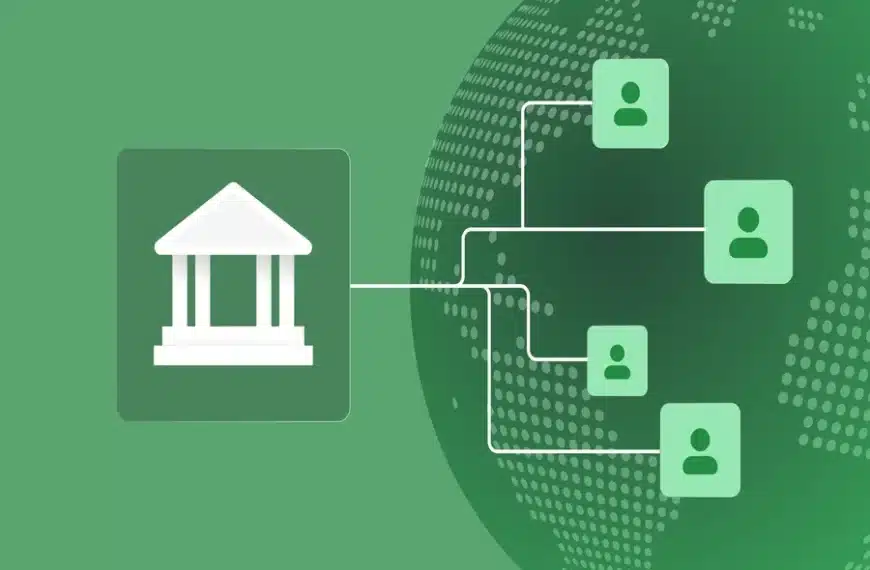
Today, sending money across borders is part of your daily business. Managing global payout efficiently is important for keeping your operations smooth and your customers happy. It can be when you are paying freelancers, vendors, or partners. A simple and fast payout system helps you pay on time and keeps your recipients happy.
What Is Global Payout?
A global payout is when a business sends money to people in other countries. This can be used for various payments. It can be salaries or refunds. You need a system that makes these transfers fast, safe, and easy. It can help you focus on growing your business.
Main Stakeholders
Every global payout involves several key players. They are:
- Businesses
- Recipients
- Banks and Payment Processors
- Regulators
- Fintech platforms
Why Efficient Global Payout Matters
Efficient global payout systems impact both operational efficiency and customer trust. For example:
- Your freelancers receive payments quickly, increasing loyalty.
- Vendors or partners are less likely to face payment delays, strengthening business relationships.
- Automated payouts make payments easy and reduce mistakes.
In short, a smooth global payout shows you care and run things professionally.
Types of Payouts
Global payout can be grouped based on speed, complexity, and geography:
| Dimension | Type | Benefits | Drawbacks | Typical Use Cases |
| Speed | Instant | Real-time access for recipients | Higher fees, requires strong infrastructure | Gig platforms pay drivers immediately |
| Speed | Scheduled | Predictable, cost-effective | Not suitable for urgent payments | Payrolls, and weekly vendor payments |
| Complexity | Single | Simple, easy for small transactions | Inefficient for high volumes | Customer refunds, small vendor payments |
| Complexity | Bulk | Cost-effective for large volumes | Needs robust infrastructure | Payrolls, marketplace settlements |
| Geography | Domestic | Faster, lower cost | Limited to local operations | Local vendor payments |
| Geography | Cross-border | Enables global operations | Higher fees and currency fluctuations | Paying international freelancers or sellers |
Knowing these categories helps you to choose the best global payout method for your business.
Regional Considerations
Each region has unique payout methods, regulations, and challenges.
- Africa: Mobile money is very popular. But you may find fewer banks nearby. Customers often rely on these mobile services for easy access to money.
- East Asia and the Pacific: Different regions use different payment systems. Like Alipay in China or PayID in Australia.
- Europe and Central Asia: SEPA transfers make sending euros easier for you. You must follow GDPR rules to keep customer data safe.
- Latin America: Boleto and Pix are popular. But cash payments can make cross-border transfers slower for your customers.
- South-East Asia: In India and Bangladesh, UPI is very popular. But you might find it hard to use them together across countries.
Tailoring your payout system to regional nuances ensures better recipient satisfaction and compliance.
Common Challenges Faced in Global Payout
Global payout also comes with challenges:
- Account Validation: Check the accounts all the time. It helps you to reduce mistakes.
- Cross-Border Complexity: Exchange rates can change quickly. Also, fees can sometimes be higher for you.
- Payout Failures: Technical glitches, network downtime, or bank rejections can delay funds. These issues can make your customers lose trust.
- Fraud and Compliance: You must follow the anti-money laundering (AML) and KYC regulations. It can help you to prevent risks.
- Scalability: Your business grows every time. So you need a payout system that keeps up.
- Recipient Preferences: Different countries like different ways to pay. You need to be flexible to accept them all.
Best Practices for a Seamless Global Payout System
To manage payouts effectively, businesses should:
- Automate wherever possible: Automation can help you reduce errors.
- Use dynamic routing: Choose a payment method that works best. Think about the cost, how fast it is, and what your recipient prefers.
- Maintain compliance: You must always follow AML and KYC rules. Make sure regional regulations are followed too. This keeps your business safe.
- Monitor performance: Track how often payouts succeed or fail. Use data to find ways to improve.
- Adapt to regional preferences: Give customers several ways to pay. Make sure the options fit where they are.
Executing these practices will help you provide a better experience for your recipients. It can help you reduce the operational risks.
Summarising
Managing global payout systems is an important part of running your business. You can make a payout system that works well by learning the different types and common problems. Understanding regional rules helps you create a system that is quick, safe, and follows the law. The right approach helps you work more efficiently. It also helps you build better relationships with your freelancers, vendors, and partners.


