
Bathrooms are more than just functional spaces—they’re a retreat, a place to refresh and recharge. But as bathrooms age, they can become a source of stress rather than relaxation. From worn tiles to outdated plumbing, aging bathrooms require care to maintain both functionality and aesthetic appeal. Preserving and protecting an older bathroom doesn’t necessarily mean a full renovation; with the right approach, you can keep your bathroom in top shape for years to come. Here’s a practical guide to caring for your aging bathroom.
1. Inspect Regularly
The first step in maintaining an aging bathroom is regular inspection. Check for leaks under sinks, around toilets, and near bathtubs. Look for signs of water damage, such as peeling paint, warped wood, or mold and mildew growth. Inspect grout and caulking, which can crack over time and allow water to seep behind tiles. Catching small issues early can prevent costly repairs later.
2. Prioritize Cleaning and Mold Prevention
Older bathrooms often accumulate grime and mold more quickly, especially if ventilation is inadequate. Use non-abrasive cleaners to protect tile, grout, and fixtures. For mold and mildew, a mixture of water and vinegar or a gentle bathroom-specific cleaner can work wonders. Make sure to dry wet surfaces after each use, and consider installing a stronger exhaust fan or leaving the door slightly open to improve air circulation. Regular cleaning not only preserves the bathroom’s appearance but also prevents deterioration caused by moisture buildup.
3. Maintain Plumbing Systems
Older bathrooms often face plumbing issues such as leaks, corrosion, and low water pressure. It’s important to regularly inspect faucets, showerheads, and pipes for drips, unusual sounds, or other signs of wear. Replacing worn washers, gaskets, or outdated fixtures can help prevent water damage and improve overall efficiency. For homeowners in older properties, scheduling a professional plumbing inspection with a trusted plumber in Sandy every few years is a smart way to identify hidden problems before they become costly. Proper plumbing maintenance is essential not only for daily functionality but also for preserving the long-term integrity of your bathroom.
4. Protect Surfaces
Tile, wood, and countertops in aging bathrooms can show signs of wear over time. Protect these surfaces by applying appropriate sealants. For instance, re-seal tile grout every year or two to prevent moisture penetration. Use mats or rugs to reduce wear on bathroom floors, particularly near high-traffic areas like sinks and tubs. Avoid harsh chemicals that can damage finishes, and opt for gentle cleaning solutions designed for older materials. Regular surface care helps preserve the original beauty of your bathroom.
5. Upgrade Smartly
Sometimes, preserving an aging bathroom means making subtle upgrades rather than overhauls. Replacing outdated faucets, showerheads, or light fixtures can improve functionality while maintaining the bathroom’s character. Consider energy-efficient fixtures to reduce water and electricity consumption. If your bathroom has older, worn cabinetry, a fresh coat of paint or new hardware can revitalize the space without the cost of a full remodel. Thoughtful upgrades protect your investment and extend the life of your bathroom.
6. Address Ventilation Issues
Many older bathrooms were built without modern ventilation systems, which can lead to persistent humidity and mold growth. If your bathroom lacks adequate airflow, consider installing an exhaust fan or upgrading the existing one. Even simple solutions, like opening windows after showers or using a dehumidifier, can significantly reduce moisture-related damage. Proper ventilation is a small step that makes a big difference in preserving an aging bathroom.
7. Keep an Eye on Safety
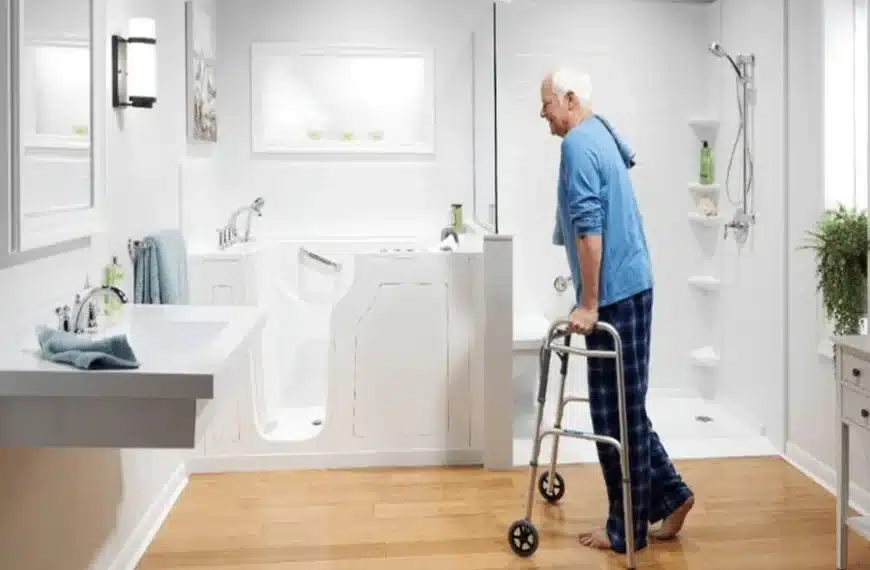
Safety is an essential aspect of bathroom maintenance. Aging bathrooms may have slippery floors, loose tiles, or outdated electrical outlets. Installing non-slip mats, grab bars, and ground-fault circuit interrupter (GFCI) outlets can prevent accidents. Regularly check that fixtures are secure and functional, and repair any hazards promptly. Protecting your bathroom isn’t just about appearance—it’s about keeping everyone safe.
In Conclusion
Caring for an aging bathroom is a balance between preservation and proactive maintenance. Regular inspections, proper cleaning, plumbing upkeep, and smart upgrades can extend the life of your bathroom while keeping it functional and inviting. With consistent attention and thoughtful care, your aging bathroom can remain a comfortable and attractive space for years to come. Instead of seeing your older bathroom as a liability, view it as a classic space worth preserving—after all, with the right approach, aging gracefully is always possible, even for your bathroom.


