
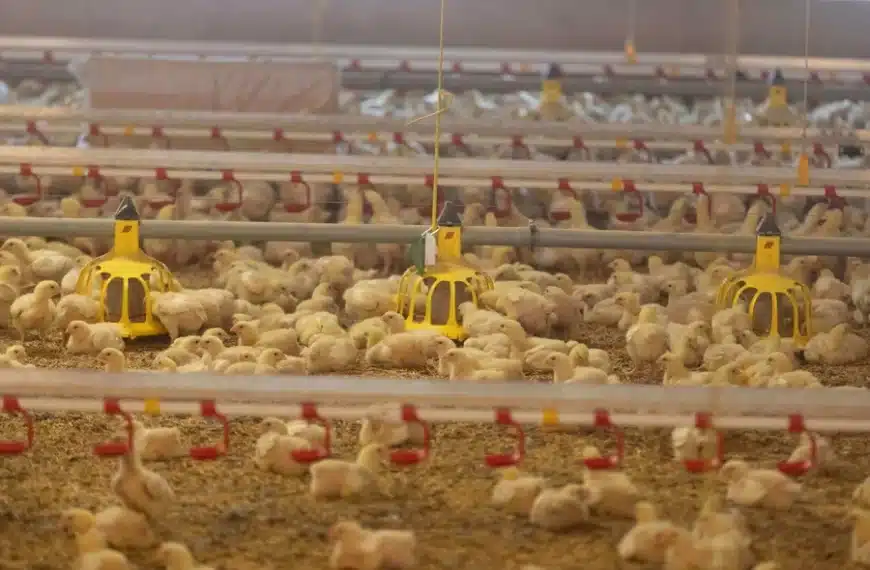
Poultry farming is a practical and rewarding venture, but it doesn’t come without its fair share of challenges. Disease outbreaks, inconsistent egg production, overcrowding, and feed waste can easily undercut your profits if not handled effectively. However, most of these barriers have practical solutions—ones that are both cost-effective and easy to implement.
This article outlines common issues poultry farmers face and offers clear, actionable fixes that can improve flock health and increase productivity.
1. Managing Disease Risk with Proactive Biosecurity
Disease is arguably the most destructive issue in poultry operations. One outbreak can wipe out an entire flock in days. Most infections—like avian influenza, Newcastle disease, or coccidiosis—spread through contaminated feed, water, equipment, or people.
To reduce the risk:
- Limit outside contact with your flock. Visitors and workers should sanitize their boots and hands before entering.
- Quarantine new birds before introducing them to the existing flock.
- Clean and disinfect housing regularly, including waterers, feeders, and nesting boxes.
You can also invest in routine vaccinations and keep detailed health records. Prevention is always cheaper than treatment.
2. Feeding Systems That Reduce Waste and Boost Nutrition
Feed is the single largest cost in poultry farming, making up around 60–70% of total expenses. So when birds waste feed, your margins take a hit.
Switch to gravity-fed or automatic feeders to reduce spillage. These systems dispense feed slowly and only as needed, preventing overeating and mess. Also, evaluate the nutritional balance of your feed. A diet high in energy but low in protein can lead to poor growth and egg production.
Using pelleted feed instead of mash can also reduce waste. Pellets are easier to digest and harder to scatter.
3. Space Matters: Avoiding the Consequences of Overcrowding
Many farmers underestimate how much room chickens really need. Overcrowding leads to stress, feather pecking, slower weight gain, and increased disease transmission. Layers and broilers both require adequate space to thrive.
For optimal results, aim for:
- 2 to 3 square feet per bird for broilers.
- 4 to 5 square feet per bird for layers.
If you’re raising a large number of birds, consider upgrading to a spacious commercial chicken house. These structures are designed to improve airflow, lighting, and space management—all of which contribute to healthier, more productive birds.
Overcrowding doesn’t just affect comfort. It directly impacts your bottom line.
4. Improving Egg Production Through Lighting and Nesting Design
Egg-laying is influenced by daylight. Hens typically need 14–16 hours of light daily to maintain consistent production. During shorter daylight months, artificial lighting becomes essential. Use soft white LED lights with timers to simulate sunrise and sunset. Avoid sudden lighting changes—they stress the birds and may disrupt laying cycles.
Nesting boxes also play a role. Provide one nesting box for every four hens, and ensure they’re kept dark, clean, and private. Hens prefer quiet, shadowy spots to lay eggs. A well-designed nesting area reduces egg breakage and discourages floor-laying behavior.
According to the USDA’s Agricultural Research Service, optimizing nesting box design can significantly reduce egg loss and improve collection efficiency. Read more on poultry management here.
5. Ventilation: The Overlooked Factor in Flock Health
Poor air circulation causes a buildup of ammonia, humidity, and pathogens—none of which are good for chickens. Symptoms of poor ventilation include watery eyes, labored breathing, and reduced egg production.
Every poultry house needs a well-planned ventilation system. Natural ventilation works in small-scale setups, but larger operations benefit from mechanical fans and adjustable vents.
Ensure there’s constant airflow, especially during hot months. Heat stress can kill poultry quickly, particularly broilers, which grow faster and generate more body heat.
Install temperature and humidity monitors to track changes in real time. When air quality dips, adjust fans or open vents as needed.
6. Tackling Predators and Pests Before They Strike
Predators—foxes, snakes, raccoons—can decimate your flock if housing isn’t secure. But pests like mites, lice, and rodents also pose serious threats.
Secure the perimeter with buried fencing, preferably with a hardware cloth base. Avoid chicken wire—it’s flimsy and easy to chew through. Keep the area around your coop clear of tall grass and debris, which attract rodents and snakes.
For internal pests like mites and lice, apply diatomaceous earth to bedding and nesting boxes. It’s a natural, non-toxic solution that disrupts the exoskeleton of pests.
Conduct weekly inspections. If you catch signs of infestation early—such as feather loss, scabs, or frantic scratching—you can treat the issue before it spreads.
7. Training Staff and Building Routines
Many operational issues boil down to inconsistent management. Even small lapses—like forgetting to check water systems—can spiral into larger problems.
Build a daily routine:
- Check water lines and feeders.
- Inspect for signs of illness or injury.
- Monitor temperature, lighting, and noise levels.
If you employ staff, train them thoroughly. Everyone should understand biosecurity, recognize disease symptoms, and know how to handle birds properly.
Routine builds predictability, and predictability builds stability—something every successful poultry operation needs.
Conclusion: Efficiency Through Simplicity
Breaking barriers in poultry farming doesn’t require high-tech gadgets or expensive consultants. Often, the smartest solutions are the simplest. Better airflow, more space, and proper feeding can make the difference between a struggling flock and a thriving one.
Stay observant. Track changes. Invest in prevention. When your systems work, your flock will too.


