
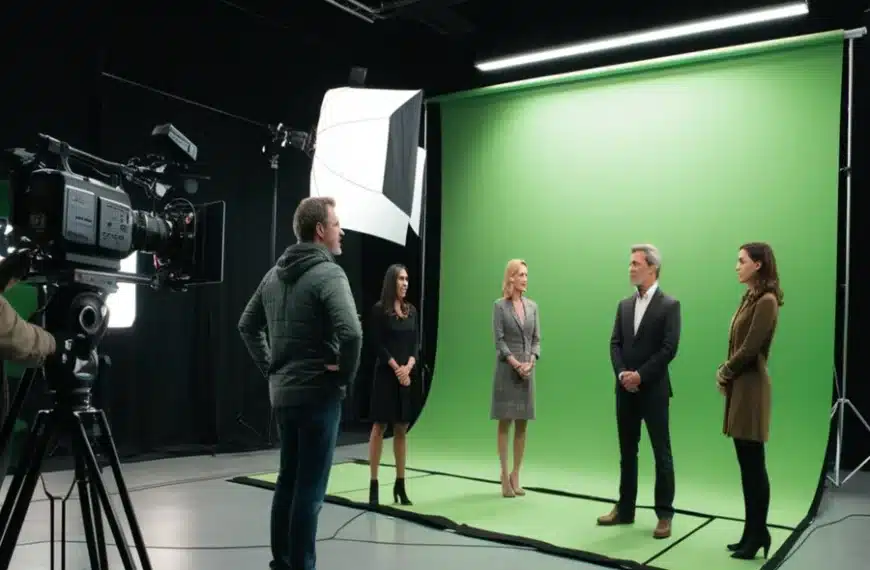
Green screens are everywhere. From weather reports to Hollywood movies, they let people replace a boring background with anything they want. But it’s easy to mess it up. If your lights are bad or your clothes are the same color as the screen, the video can look weird. But with a few simple fixes, green screens can look great even if you don’t spend much money.
The Science Behind It
A green screen works by removing the green color so you can add a new background behind someone. Green is picked because it’s not a color you usually see in skin. The editing software erases that color and lets you drop in anything—from cityscapes to outer space. Before you get into the details, check the predictive models for sports betting to make a smarter bet.
The Lighting Fix That Changes Everything
You might think fancy cameras make green screen videos look good. They help, yes. But lighting is what counts. You need even lighting on the screen, no dark spots or hot spots. And you need to light yourself separately, so you don’t cast weird shadows on the background. It sounds small, but it can be the difference between “wow” and “whoops.”
A Quick Checklist for Green Screen Setup
- Use a wrinkle-free screen or pull it tight
- Light the background evenly
- Avoid wearing green
- Stand a few feet away from the screen to prevent shadows
- Light your face separately
- Keep the camera steady
That’s your go-to checklist. Simple but effective.
Don’t Let Your Clothes Betray You
This happens a lot. If you wear green, like a tie or shirt, the green screen removes it. Your clothes can disappear on camera. It looks like a magic trick gone wrong. Always double-check your outfit before recording. Wear solid colors and avoid shiny material. Even small patterns can flicker weirdly on camera.
Matching the Background Is a Must
Even if your green screen looks nice, it can still look fake if the background doesn’t match. If the background is sunny, use bright light. If it’s dark, use dim light. Match your lighting to the background. Make sure everything fits together, like one real scene.
The Hair Dilemma (And How to Win It)
Hair can be tricky. Especially long or frizzy hair. Strands might get chopped off or glow green at the edges. To fix this, make sure your lighting is soft but strong, especially from behind. A small backlight, also called a hair light, helps separate you from the background. That way, the software can better tell what’s yours and what’s not.
Green vs. Blue Screens
Green is the go-to, but blue screens are still used sometimes. Why? Because some people film with green props or green clothing, like actors playing fantasy characters. Blue is also better in darker scenes because it doesn’t reflect as much light. But green is brighter and easier to key out in most cases, especially with cheaper cameras.
Editing Tricks That Help It Blend
After filming, you use a program to take away the green background. Some popular ones are Adobe Premiere Pro, Final Cut, DaVinci Resolve, and OBS Studio. Here are some easy editing tips to make it look better:
- Feather the edges slightly to soften borders
- Adjust color spill settings if you see green outlines
- Add a slight shadow or blur to the background for realism
- Use motion tracking if your camera moves
Don’t just slap in a background and call it done. Finesse it a little.
Free Doesn’t Mean Bad
Good news: you don’t need a Hollywood budget. There are green screen kits online for cheap. Some people even use green fabric, shower curtains, or painted cardboard. Lighting kits are affordable too. You can even use clamp lights and white sheets if you’re just starting. It’s about the setup and care, not just the price tag.
The “Floating Person” Problem
One of the biggest signs of bad green screen work? When someone looks like they’re floating. This usually happens when the shadows don’t match the new background. To fix it, add a fake shadow under their feet.
How Movement Can Ruin Everything
If you move too fast or wave your hands a lot, your edges might blur or break. This happens when the software can’t keep up. Try to keep movements smooth. If you move a lot, use more light and a higher frame rate. This helps the software see you.
Using Green Screen for the Right Purpose
Sometimes, a green screen is the wrong tool. If you just want a clean background, a real setup with good décor might look better. Green screens shine when you need something you can’t physically film, like fantasy worlds or distant places. Don’t use it as a lazy fix. Use it when it adds something cool.


